
NRS Online Members

Technology in the outdoors often promises more than it delivers. Every few years a new device appears that claims to make wilderness travel safer.
Sometimes those claims are exaggerated.
But occasionally a technology arrives that truly changes the equation.
Satellite SOS messaging built into modern smartphones appears to be one of those moments. (I say that with caution and apprehension)
Rather than speculate about how useful these features might be, I reached out to someone who deals with real incidents in the field. Chief John R. May, NREMT, leads the very active Wolfe County Search and Rescue Team and has already responded to incidents involving these new phone-based satellite systems.
His insights provide a useful look at how this technology is working in the real world.
I recently spoke with Chief May about how modern smartphone emergency features are affecting Search and Rescue operations.
Below are his responses.
The SOS messaging feature can be a real game changer for the average weekend warrior. When I say that, what I mean is most people (other than more seasoned or experienced hikers) rarely carried any type of messaging service for those times when your cell phone has no service. In the years past, some may have carried a Garmin in reach but virtually everyone carries a cell phone this day and age. The only real negative I have experienced was a false call that was reporting a crash. What had actually happened was the individual had left their cell phone on the back of their truck and it fell off and ultimately got ran over. It was a bit of a mystery until we found the cell phone near the coordinates provided for the crash
Yes I have had several experiences. The most recent being an injured hiker on Copperas Creek who had suffered a leg injury. They were miles away from having any type of cell service but had enough open sky for the SOS feature to work. I was contacted by our dispatch and provided an Apple case or incident number with a call back number. I was able to speak directly with the dispatcher who provided exact coordinates of the individual and her medical status. Although i wasn’t able to text with the injured hiker, the Apple dispatcher was. They provided them with our timeline for arrival and instructions on staying in place. They were also able to track the individual if they had moved from that location.
Editors Note: To avoid some similar situations and to also set yourself up for succcess in a SAR team in helping you, consider our Wilderness Safety and Survival Course
Similar to above. Without this service, the rescues we were involved with would have taken much longer as someone would have had to hike out to gain cell service to call for rescue. Although the rescues we’ve been involved with were not life threatening injuries, it would certainly be a game changer for those that are.
Only the false call we had honestly. It would be nice if we had a means to directly message the person or group that activated the call vs working through an Apple Dispatcher. All and all, that was a smooth process but talking directly with the person would be better in my opinion and a bit faster.
Knowing that it exist first and then how to activate it. It’s surprising how many people are still unware of this type of technology. Another useful took that many are unaware of is the satellite messaging. It’s currently free to use that with Apple and works really well as long as you have an open sky. We’ve utilized this on several rescues when we were out of radio and cell signal range.
Satellite SOS is a feature built into some modern smartphones that allows a person to send emergency messages when there is no cellular coverage.
If a phone cannot reach a cell tower, it may still be able to connect briefly to satellites orbiting overhead and on the horizon. Those satellites relay small packets of information to emergency dispatch systems.
The messages are short and compressed but can include critical information such as:
These messages can dramatically shorten rescue times because rescuers know exactly where to begin searching.
Satellite SOS can transmit GPS coordinates to rescuers, but knowing how to interpret maps and understand your position on the landscape is still an essential skill. That is exactly what we teach in our Wilderness Navigation course.

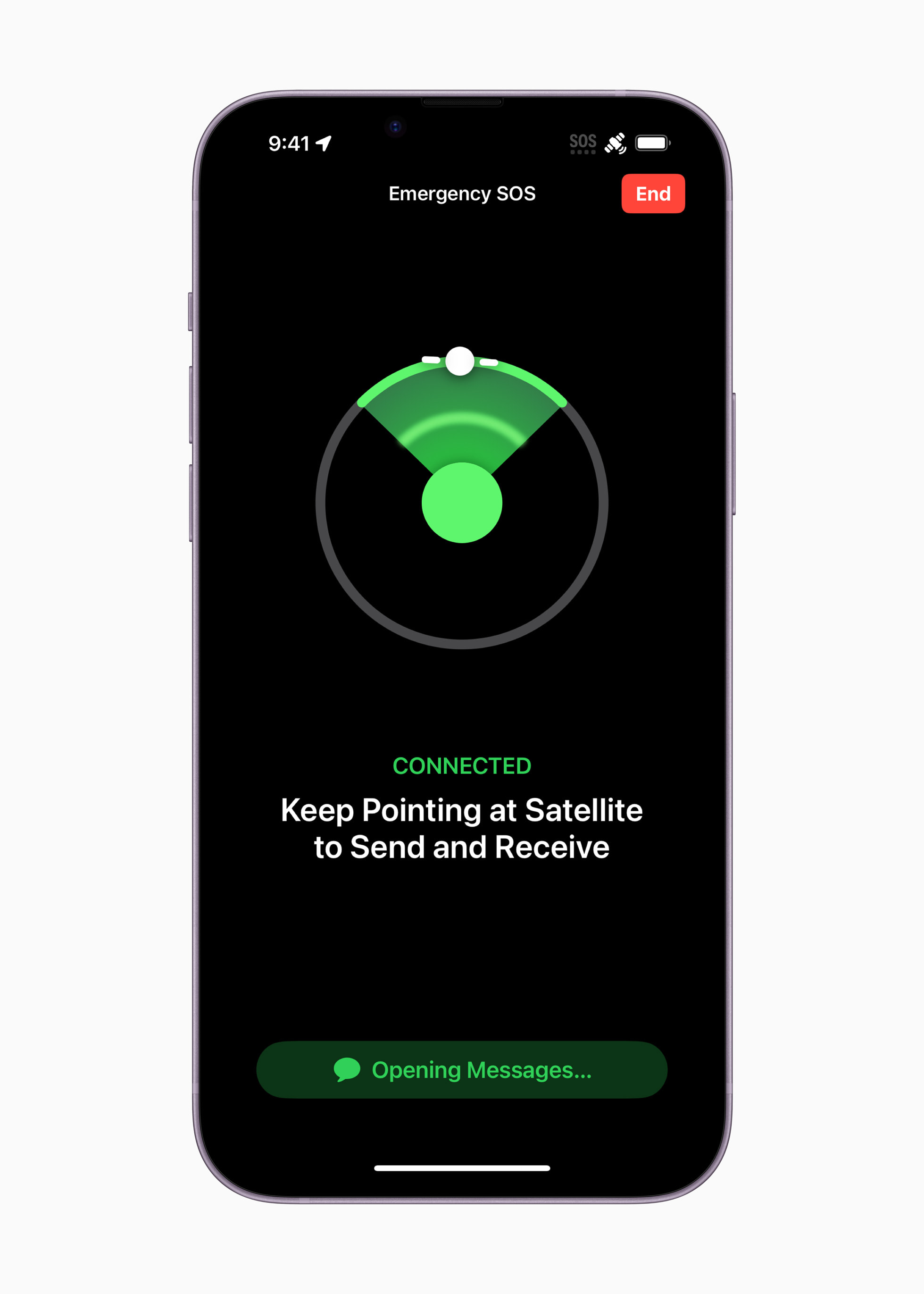
Beginning with the iPhone 14 lineup, Apple Inc. introduced Emergency SOS via satellite.
When a user attempts to call emergency services without cellular or Wi-Fi coverage, the phone offers the option to connect through satellites.
The process typically works like this:
The phone also asks a few quick questions about the emergency so dispatchers receive useful information immediately.
Under ideal conditions messages may send quickly. Under heavy tree canopy or rugged terrain the process may take longer.
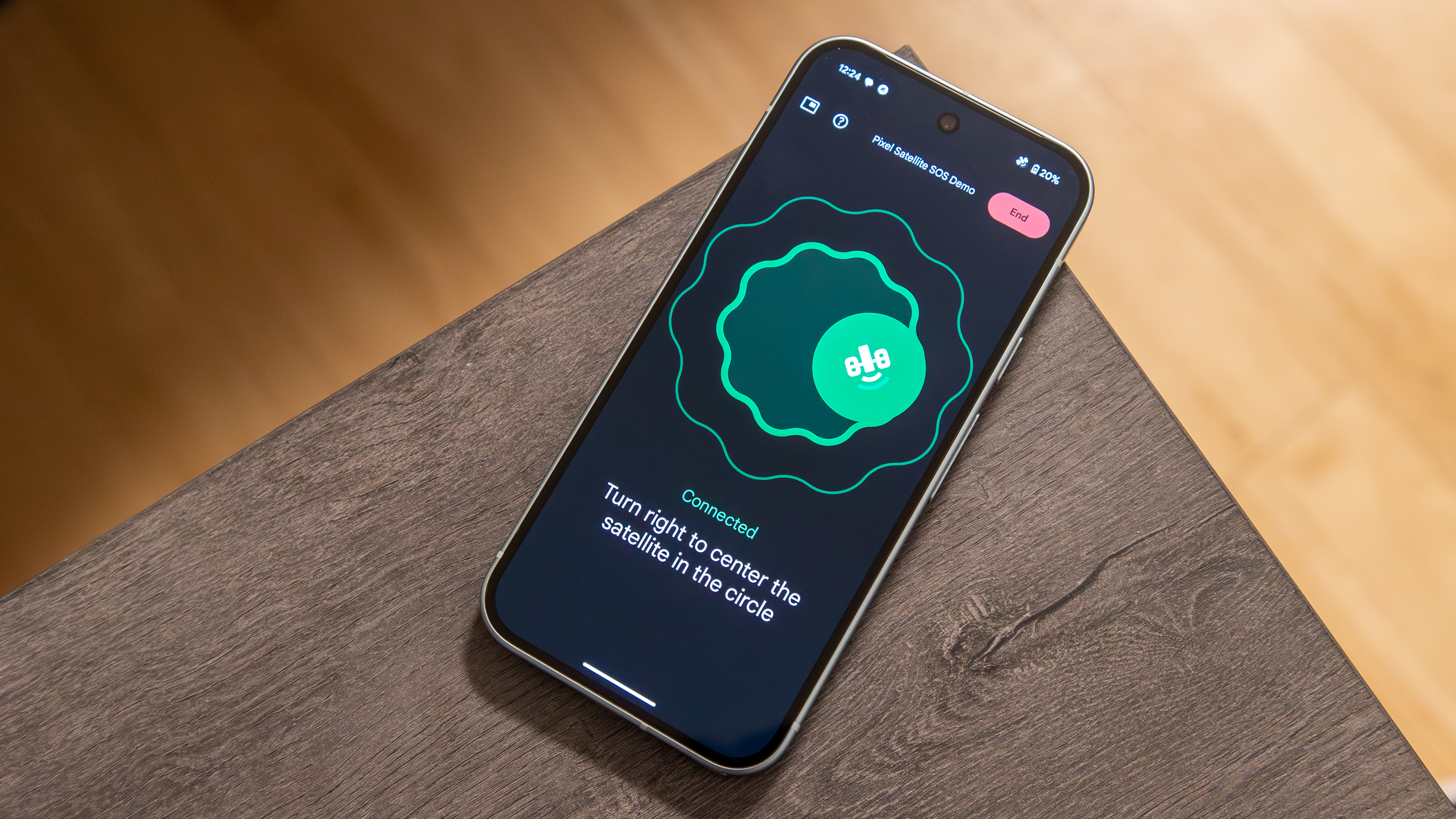

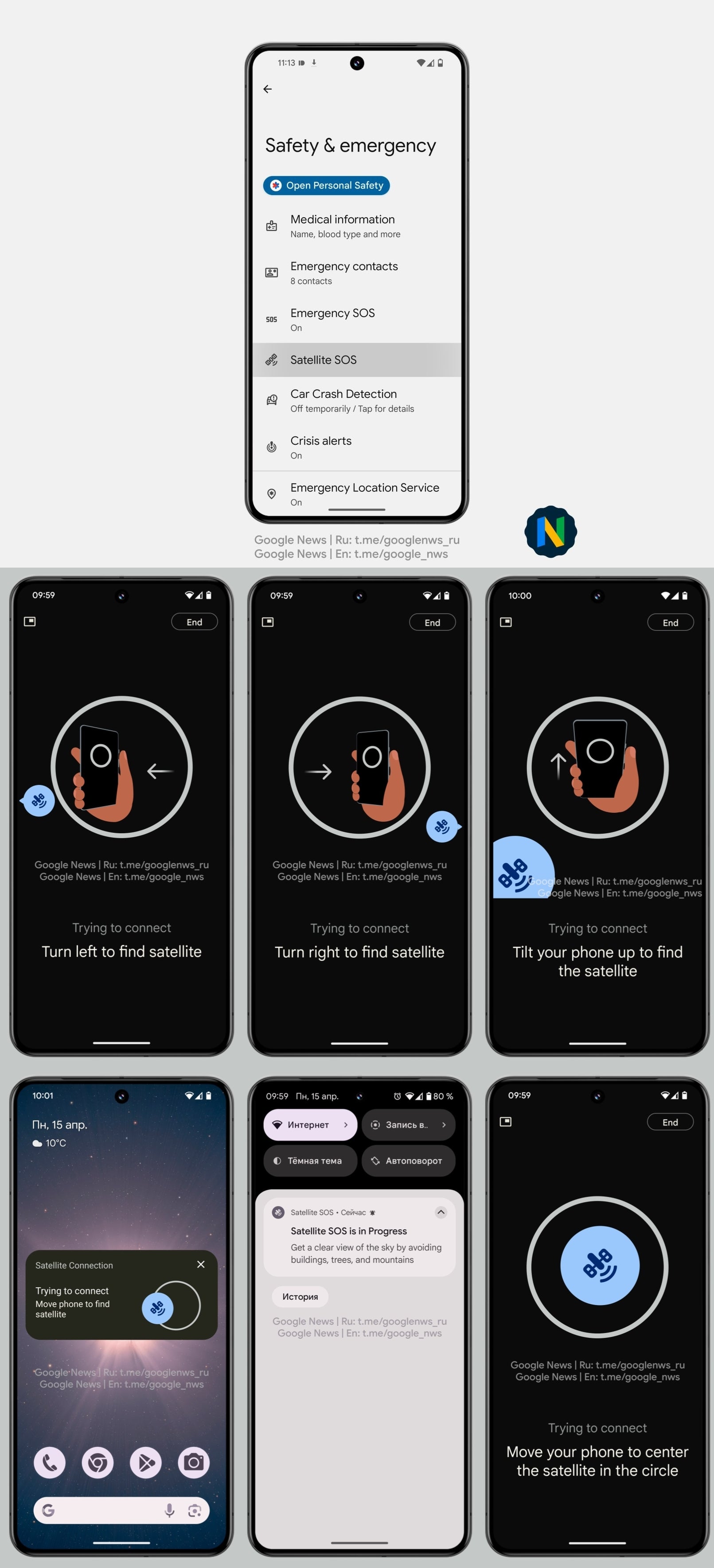
Newer Pixel phones from Google include a similar satellite emergency system.
The concept is nearly identical.
When emergency services cannot be reached through cellular networks, the Pixel phone offers satellite SOS communication. The phone walks the user through connecting to satellites and transmitting emergency information.
Like the Apple system, the Pixel feature sends compressed messages and location data so dispatchers can relay the information to Search and Rescue teams.
An open view of the sky significantly improves reliability.
Satellite SOS on smartphones is a remarkable safety improvement, but it is important to keep a few realities in mind.
These systems send small bursts of data rather than normal phone calls.
Communication may take time depending on satellite alignment and sky visibility.
Heavy tree cover, canyon walls, or buildings may slow or interrupt transmission.
Moving to a clearing often helps. You will find better satellite coverage along the horizon rather than directly overhead. That is a big misconception, I want to get more eyes on.
Devices such as personal locator beacons or satellite messengers still offer advantages for serious backcountry travel. This should include radio communication tools like amateur or GMRS radio.
Technology is helpful, but the strongest safety system is still knowledge and preparation. Our Nature Reliance School Online Membership covers navigation, situational awareness, gear selection, and outdoor decision making in much greater depth.
Many people still do not realize these features exist. Spending a few minutes learning how they work can make a major difference in an emergency.
Satellite SOS features on modern phones represent one of the most significant safety advances available to outdoor travelers today.
For the first time, millions of people already carry a device that can reach emergency services even when they are far outside normal cell coverage.
As Chief May’s experiences show, the technology can dramatically shorten rescue times.
But the fundamentals of outdoor safety still matter. Planning, awareness, and good decision making remain the most important tools anyone can carry.
Tell someone where you are going, who you are going with, and what time they can expect you home.
Technology works best when it supports those fundamentals rather than replacing them.
If you want to build the skills that make technology like this a backup rather than a lifeline, consider joining the Nature Reliance School Online Membership, where we teach navigation, tracking, wilderness awareness, and practical outdoor skills used by professionals and serious outdoor travelers OR get in the field with us for the best in person training you can find anywhere.
Leave a comment